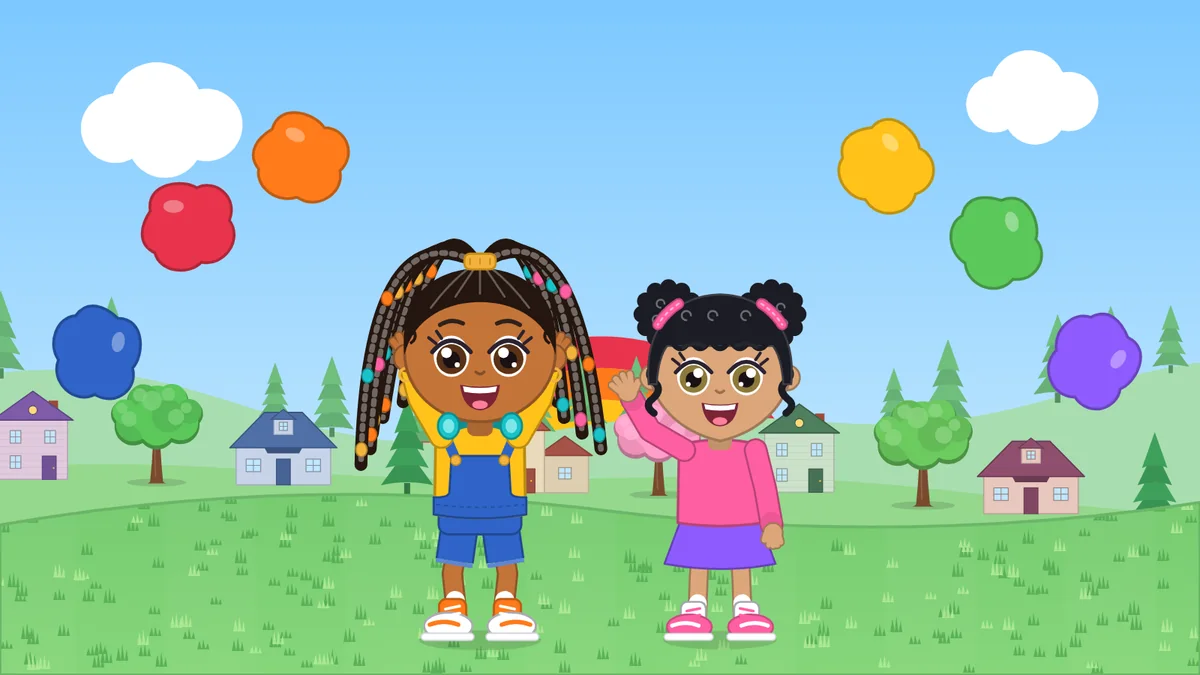
Red, blue, yellow, green. Colors are everywhere, which makes them one of the easiest things to teach at home. You do not need flashcards or a lesson plan. You just need a few minutes of play here and there.
Many toddlers can match colors before they can name them. Naming often clicks somewhere between ages 2 and 4, and every child moves at their own pace. Here are ten simple ways to make learning colors part of your day.
10 Ways to Learn Colors Through Play
Name Colors All Day Long
Talk about colors during everyday moments. “Here is your red cup.” “Let’s put on your blue socks.” Hearing color words over and over, in real situations, is how toddlers start to connect the word to what they see.
Focus on One Color at a Time
Pick one color for the week, like red. Point out red apples, red cars and red shirts everywhere you go. When red feels easy, add a second color. Too many new words at once can make them all blur together.
Go on a Color Hunt
Hand your child a basket and ask them to find three yellow things in the house. Moving around keeps busy bodies interested, and finding something “all by myself” feels like a big win.
Sort Snacks and Toys by Color
Put out a few colored bowls and let your child sort blocks, cereal loops or pom-poms into the matching bowl. Matching usually comes before naming, so this is great practice even before the words click.

Try This Today
At snack time, give your child two colors of fruit and ask them to hand you “the red one.” Pointing to the right color is a big first step, even before they can say it.
Sing a Color Song
Music makes words stick. Sing about the colors of your clothes, your food or the rainbow, and add hand motions. Kids who will not sit for a lesson will happily sing along.
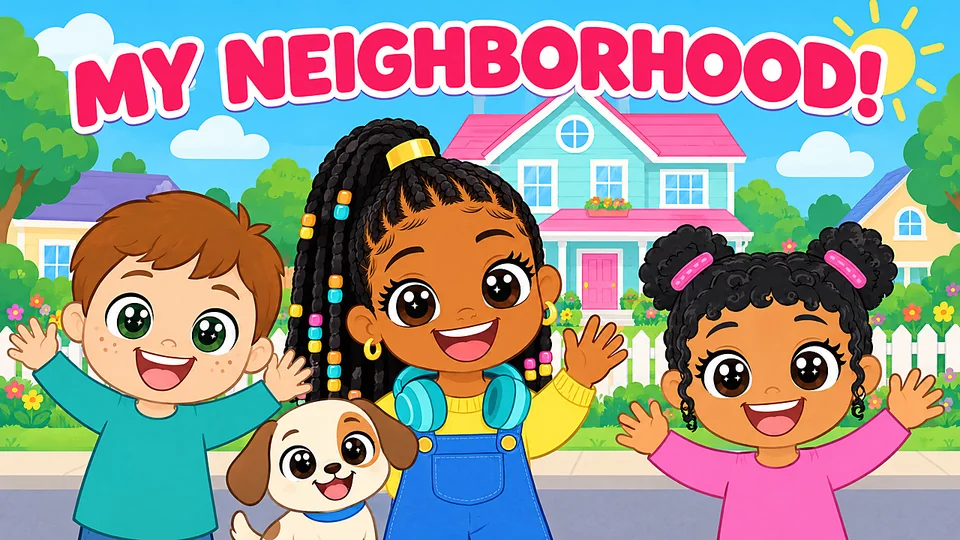
Welcome to My Neighborhood
Nomi names colors all around her street. Watch it together and point out each color you see.
Read Bright Picture Books
As you read, stop and ask, “Can you find something green?” Let your child point before you name it. Picture books give you a calm, cozy way to practice every single day.
Make a Mess-Free Paint Bag
Squeeze two paint colors into a zip-top bag, tape it shut and let your child squish them together. Watching blue and yellow turn green is pure magic, and nothing ends up on the walls.
Play Color I Spy
In the car or in a waiting room, say, “I spy something orange.” Then switch roles and let your child give the clues. It is a free, quiet game you can play anywhere.
Pick a Color for the Day
Have a “Purple Day” where everyone wears something purple and you eat purple grapes at snack time. Kids love themes, and it gives you lots of natural chances to use the color word.
Celebrate the Tries
If your child calls a blue truck “green,” stay relaxed: “That truck is blue! Can you find something green?” Gentle, happy practice works much better than correcting or quizzing.
When Do Toddlers Learn Their Colors?
There is a wide range of normal. Some children name a few colors by age 2, and others are still mixing them up at 3 and beyond. Matching and pointing are great signs of progress, even when the names come later. If you have questions about your child’s development, your pediatrician is always a good person to ask.
Keep It Short and Happy
A few minutes of color play, done often, beats one long lesson. Follow your child’s lead, laugh at the silly mix-ups and celebrate every try. Before long, you will hear, “Look, a purple flower!”

We make gentle learning songs and stories for little learners ages 2 to 5.