A good homeschool preschool schedule is short, predictable and gentle. Most families only need about 30 to 60 minutes of planned learning a day for a 3- to 5-year-old, spread out in small chunks, with lots of free play, outdoor time, meals and rest in between. The key is a steady daily rhythm, where things happen in the same order each day, rather than a strict clock.
If you're new to preschool at home, that might sound like too little. But for young kids, play, reading, chores and conversation are where a huge amount of learning happens.
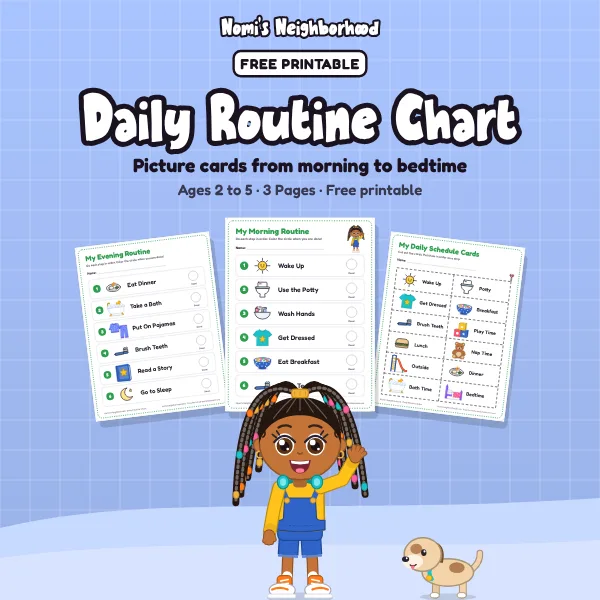
Daily Routine Picture Chart
Download FreeRhythm vs. Schedule: What's the Difference?
A schedule runs by the clock: 9:00 is circle time, 9:15 is math.
A rhythm runs by order: after breakfast we do circle time, then we play, then we have a snack.
For preschoolers, a rhythm usually works better. Kids can't read clocks yet, but they quickly learn that lunch comes after outside time. A rhythm also gives you room for slow mornings, sick days and surprise visitors without feeling like you've "fallen behind."
That said, some families love having rough times written down. You can do both: keep a set order and add loose times as a guide.
How Much Time Should Homeschool Preschool Take?
There's no official number, and every child is different. Many families find these ranges work:
- Age 3: 15 to 30 minutes of planned activities a day, in 5- to 10-minute bits
- Age 4: 30 to 45 minutes a day
- Age 5 (pre-K): 45 to 60 minutes a day
The rest of the day is play, reading together, being outside, helping with chores and resting. All of that counts.
Sample Homeschool Preschool Schedule
Here's a gentle sample day. Times are just a guide. Move things around to fit your family.
Morning
- 7:30 Wake up and get dressed. Use a picture chart so your child can follow the steps.
- 8:00 Breakfast. Talk about the day ahead.
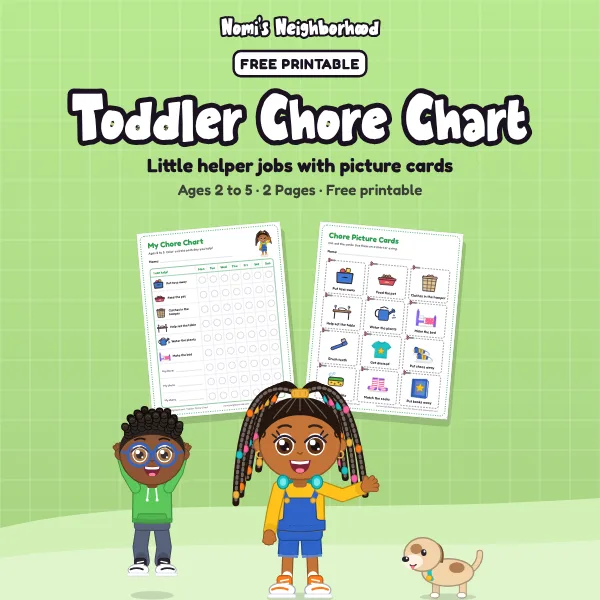
- 8:30 Morning chores. Feed the pet, make the bed (with help), put dishes in the sink.
- 9:00 Circle time (10 to 15 minutes). Sing a song, talk about the weather and day of the week, and read a short book.
- 9:15 Focus activity (10 to 15 minutes). A letter, number, shape or color activity.
- 9:30 Free play. Blocks, dolls, play kitchen, art supplies.
- 10:15 Snack.
- 10:30 Outside time. Walk, playground, backyard, nature hunt.
Midday
- 11:45 Lunch. Let your child help set the table.
- 12:30 Quiet time or nap. Nap for kids who still need one, quiet books and puzzles for kids who don't.
Afternoon
- 2:30 Snack.
- 2:45 Hands-on project (15 to 20 minutes). Art, a simple science experiment, baking or a sensory bin.
- 3:15 Free play or outside time.
- 4:30 Helping with dinner. Washing veggies, stirring, counting spoons.
Evening
- 5:30 Dinner.
- 6:30 Bath and pajamas.
- 7:00 Read-aloud and bed.
Notice how short the "school" parts are. That's on purpose.
What to Include in Your Preschool Learning Time
You don't need a big curriculum to start. A simple mix covers a lot:
- Read-alouds every day. This is the most important one.
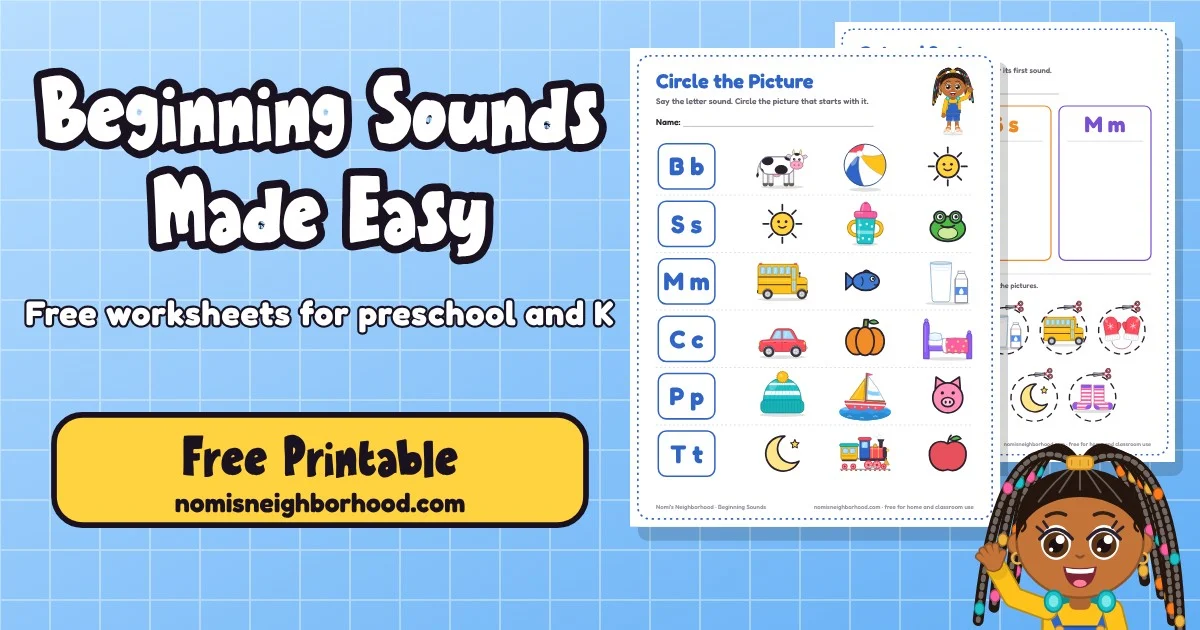
- Letters. Letter names, sounds and tracing dashed letters on handwriting lines starting at the top of each letter.
- Numbers. Counting real objects, number tracing and simple sorting.
- Shapes and colors. Hunts, sorting games and art.
- Fine motor. Playdough, cutting, stickers and puzzles.
- Big movement. Running, climbing, dancing and ball games.
- Life skills. Dressing, cleaning up and helping in the kitchen.
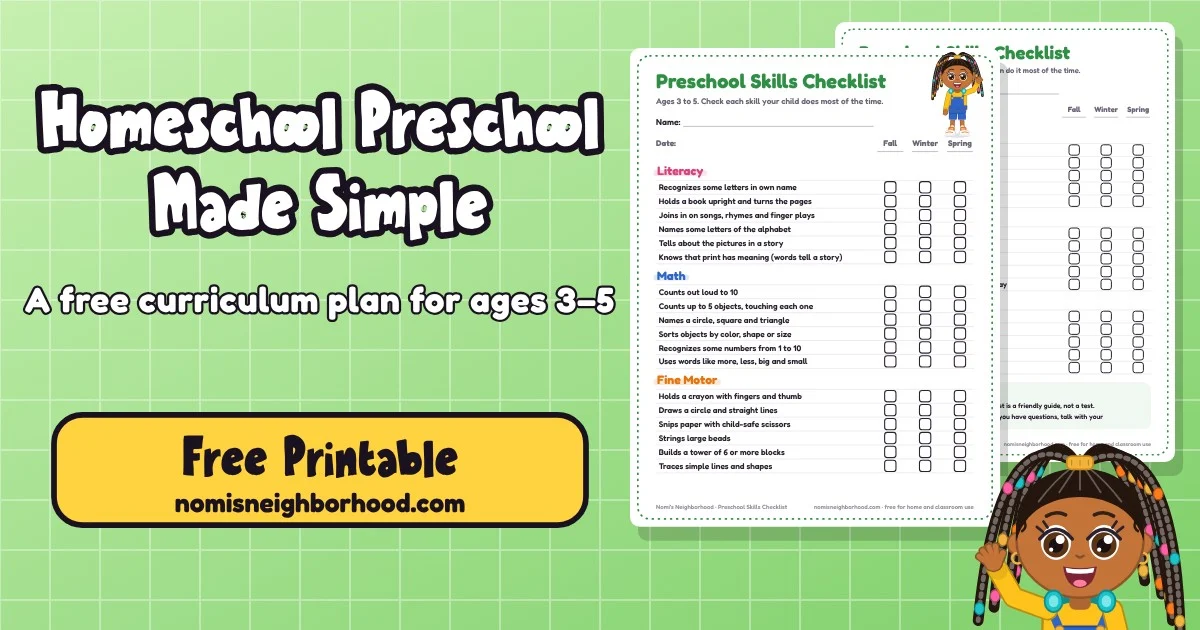
If you want a fuller plan, our post on homeschool preschool curriculum walks through how to map out skills for ages 3 to 5.
Homeschooling Preschool With a Toddler or Baby
Many homeschool families have little siblings at home. A few ideas that help:
- Do focus time during the baby's nap. Even 15 minutes counts.
- Give the toddler a "busy bin." Fill it with toys they only get during learning time.
- Include them. Toddlers can join songs, read-alouds and outdoor time.
- Keep the table activity short. If the toddler melts down, move on and try later.
- Use high-interest moments. Bath time, car rides and meals are great for songs and counting.
Using a Picture Schedule
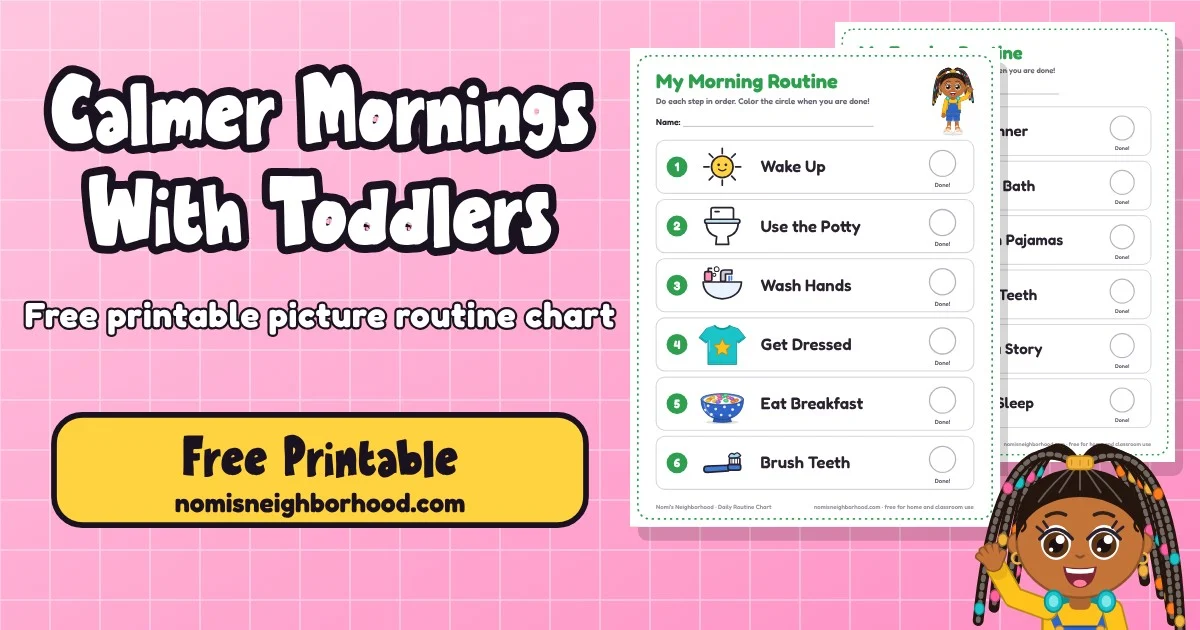
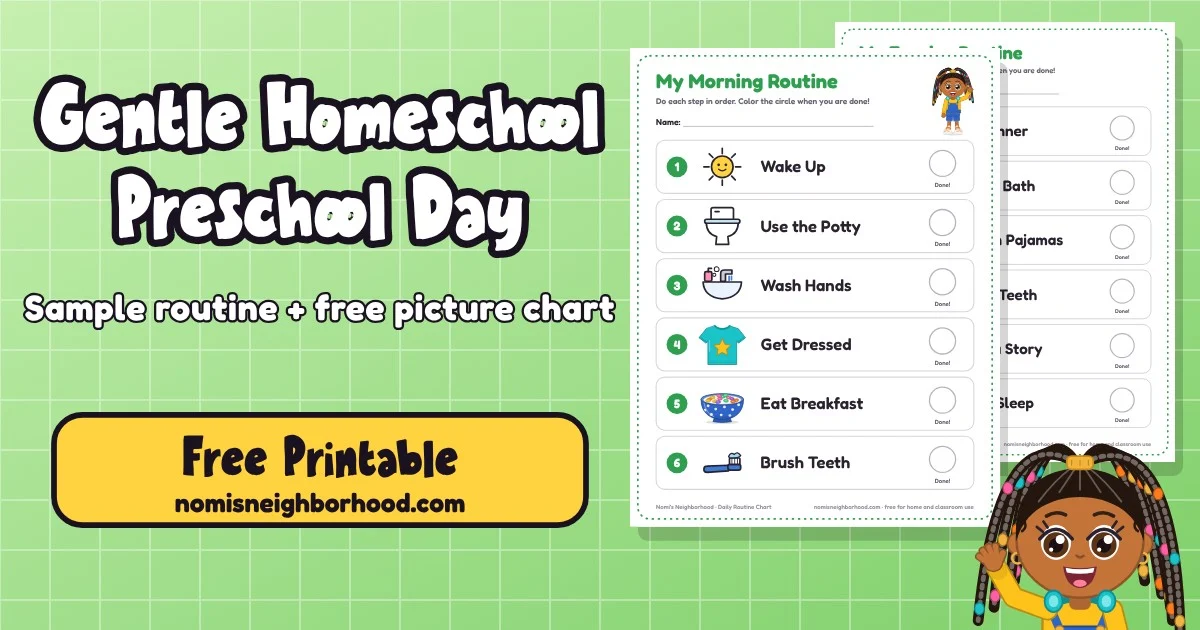
Preschoolers can't read a written schedule, but pictures work great. A picture chart shows each part of the day with a simple image: breakfast, get dressed, play, learning time, lunch, rest.
Here's how to use one:
- Hang it at your child's eye level.
- Walk through it together each morning.
- Let your child move a clip or check off each step.
- Point to it when it's time to switch: "Look, after snack is outside time!"
Picture charts help a lot with transitions, which are often the hardest part of a preschooler's day. They're also great for morning routines. See our post on the toddler morning routine chart for more on that.
Adding Screen Time Thoughtfully
Some families use a short learning video as part of their day, like during quiet time or while making dinner. If you do, pick calm, slow-paced shows, watch together when you can, and talk about what you saw. Nomi's episodes are short and focus on colors, counting, shapes and the alphabet. You can watch Nomi on YouTube, then follow up with a matching activity.
Tips for Sticking With Your Routine
- Start small. Begin with just circle time and one activity. Add more once it feels easy.
- Keep supplies ready. A basket with the day's materials saves a lot of time.
- Plan your week once. A simple planner page helps. Our post on the homeschool planner printable has a free option.
- Follow your child's energy. If they're tired or grumpy, swap a table activity for a walk.
- Give yourself grace. Some days will go off track. That's normal, and tomorrow is a fresh start.
Signs Your Schedule Is Working
- Your child knows what comes next and transitions more easily.
- Learning time feels fun, not like a fight.
- You have time for play, rest and being outside.
- You feel calm, not rushed.
If it's not working, change one thing at a time. Move circle time, shorten the activity or add more outside play.
Daily Routine Picture Chart
Download FreeFAQ
How many hours a day should you homeschool preschool?
Many families do about 15 to 30 minutes of planned learning for 3-year-olds and 30 to 60 minutes for 4- and 5-year-olds, broken into short chunks. Play, reading and daily life fill the rest of the day.
What does a typical homeschool preschool day look like?
A typical day includes breakfast, a short circle time, one or two quick learning activities, lots of free play, outdoor time, lunch, quiet time or a nap, a hands-on project and a bedtime read-aloud.
Do you need a curriculum to homeschool preschool?
No. Many families teach preschool at home with read-alouds, hands-on play, simple printables and everyday life skills. A curriculum can help with planning, but it isn't required.
How do I homeschool preschool with a toddler at home?
Plan focus time during naps, give the toddler a special busy bin, include them in songs and stories, and keep table activities short. Flexibility is the key.