Part of our Early Literacy learning hub: more printables, guides and episodes on this topic.
Beginning sounds worksheets help preschool and kindergarten kids match a letter to the first sound in a word, like /m/ in "moon." They work best after kids have heard and played with sounds out loud. Teach clear, short sounds, use simple pictures, and pair worksheets with hands-on games so the skill really sticks.
Hearing the first sound in a word is one of the earliest phonics skills. It builds the bridge between knowing letter names and sounding out words.
Beginning Sounds Worksheets
Download FreeWhat Are Beginning Sounds?
A beginning sound, also called an initial sound, is the first sound you hear in a word. In "sun," it is /s/. In "fish," it is /f/.
Notice that we are talking about sounds, not letter names. The letter is "S," but the sound is /s/. Young learners need to hear and say the sound clearly before they can match it to a letter on paper.
How to Teach Beginning Sounds Step by Step
- Start with listening. Say two words and ask, "Do these start the same?" Try "mop" and "moon," then "mop" and "dog."
- Stretch the first sound. Say "mmmmoon" so kids can really hear it.
- Model a clean sound. Say /b/ short and crisp, not "buh." Extra vowel sounds make blending harder later.
- Connect to the letter. Show the letter and say, "M says /m/, like moon."
- Practice with objects and pictures. Sort real items or picture cards by beginning sound.
- Then add worksheets. Once kids can hear the sound, worksheets give quiet practice and a way to check understanding.
Which Sounds to Teach First
There is no single right order, but a few guidelines help.
Start With Continuous Sounds
Sounds you can stretch out, like /m/, /s/, /f/, /l/, /n/ and /r/, are easier to hear. Kids can hold them while they listen.
Then Add Stop Sounds
Sounds like /b/, /d/, /p/, /t/, /k/ and /g/ are quick and harder to hear. Teach them after kids are comfortable with stretchy sounds.
Separate Look-Alike Letters
Keep b and d, or p and q, in different weeks so kids do not mix them up.
Be Careful With Tricky Letters
- C and G: Start with the hard sound, like "cat" and "goat."
- Vowels: Use short vowel words like "apple," "egg," "igloo," "octopus" and "umbrella."
- X: Very few common words start with the /ks/ sound. Many teachers teach x as an ending sound, like "box" or "fox."
- Q: Usually taught with "qu" as /kw/, like "queen."
What Makes a Good Beginning Sounds Worksheet
Not all worksheets are equal. Look for these features:
- Clear, simple pictures. Kids should easily recognize each picture. A "cat" should not look like a "kitten."
- No blends at first. Avoid words like "frog" or "star" early on. The /fr/ and /st/ blends confuse beginners.
- Few items per page. Four to six pictures is plenty for preschool.
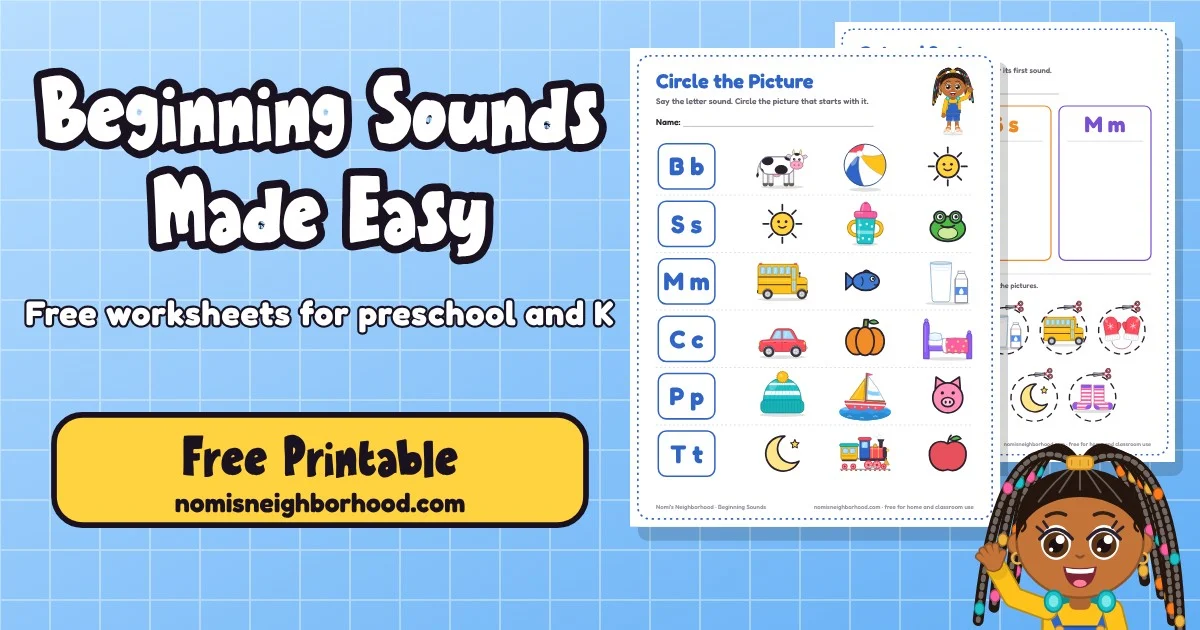
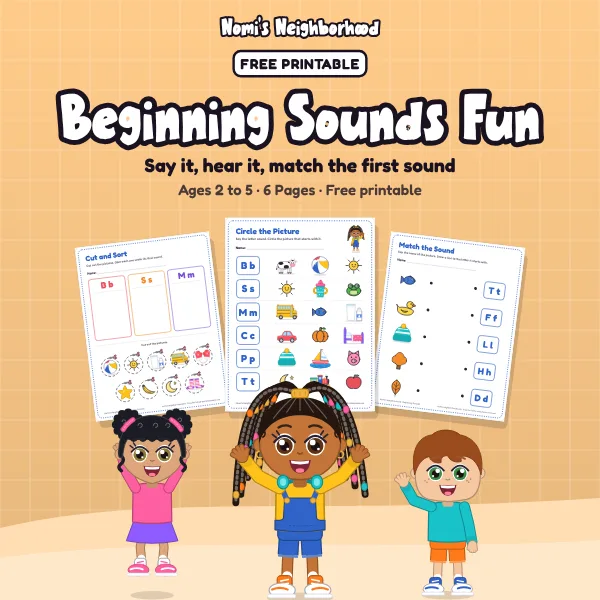
- A clear task. Circle the pictures that start with M, color the matching sound, or cut and glue to sort.
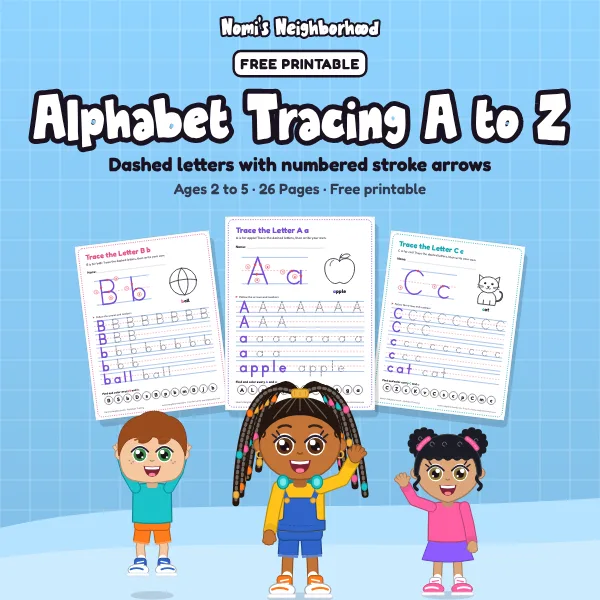
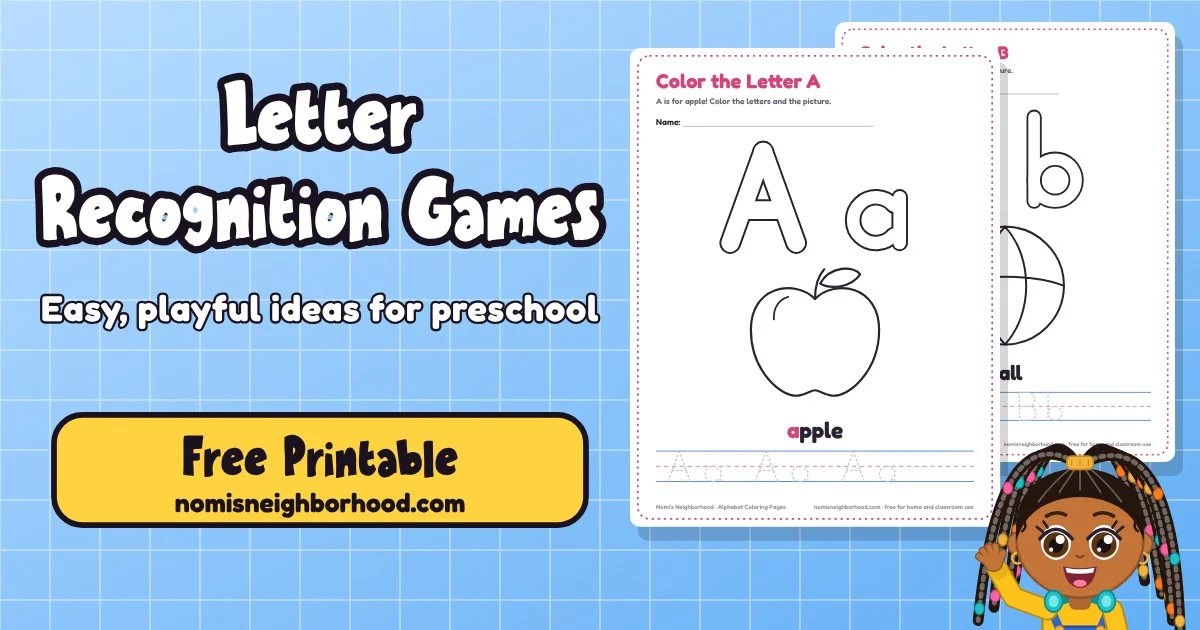
- A tracing section. Many pages include a dashed letter to trace on handwriting lines. Kids start at the top of the letter and trace top to bottom, left to right.
Ways to Use Beginning Sounds Worksheets
Whole Group Model
Do one page together on a projector or chart. Say each picture name out loud and stretch the first sound.
Small Group Practice
Work through a page with four to six kids. Ask each child to say a picture name before marking it. This shows you who can hear the sound.
Independent Center
Once kids know the routine, put pages in a literacy center. Add a picture key so they know what each image is.
Morning Work
A quick beginning sounds page is a calm way to start the day while you take attendance.
Assessment
A simple page with mixed sounds can show you which letters a child knows and which need more practice.
Hands-On Beginning Sounds Activities
Worksheets are one tool. These games make sounds more memorable.
- Mystery sound bag. Fill a bag with objects that start with the same sound. Pull them out one at a time. Kids guess the sound.
- Sound sort. Give two letter cards and a pile of pictures. Kids sort pictures under the right letter.
- I Spy sounds. "I spy something that starts with /b/." Kids look around the room.
- Sound hop. Lay letter cards on the floor. Say a word and kids hop to its beginning letter.
- Name sounds. "Whose name starts with /m/? Mia and Marcus!" Kids love hearing their names.
- Sound songs. Sing simple songs that repeat a sound, like "B, B, /b/, /b/, ball."
Songs are great for review. Nomi's "ABC Bounce" goes through the alphabet with a bouncy beat, so it makes a fun warm-up before a sounds lesson. You can watch Nomi on YouTube and pause on the letter you are teaching that day.
Beginning Sounds by Age
- Age 3: Focus on listening games and hearing first sounds in names and favorite words. Worksheets are optional.
- Age 4: Many kids are ready to match some letters to sounds. Short worksheets with a few pictures work well.
- Age 5 / Kindergarten: Kids can work through most letter sounds, sort pictures independently and begin to hear ending sounds too.
Every child moves at their own pace. Keep practice short and frequent.
Common Mistakes to Avoid
- Adding "uh" to sounds. Practice clean sounds yourself.
- Using confusing pictures. Is that a "rabbit" or a "bunny"? Label pictures or say names out loud first.
- Moving too fast. If a child is guessing, go back to listening games.
- Only using worksheets. Mix in movement and objects.
What Comes Next
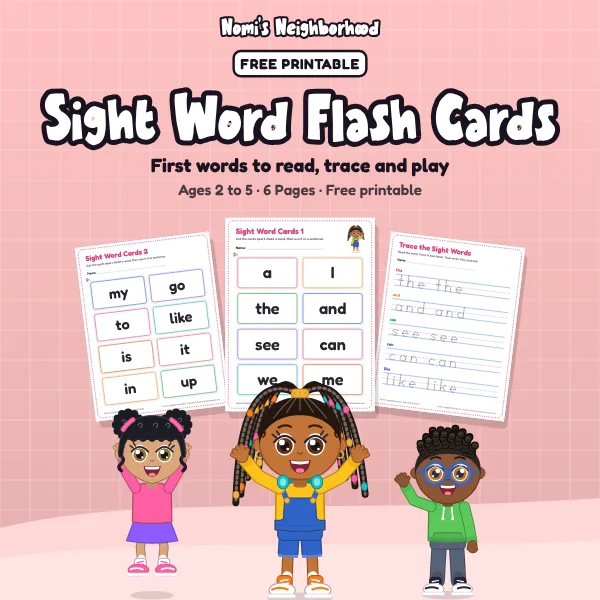
After beginning sounds, many kids are ready for ending sounds, rhyming and simple blending. Strong letter recognition helps a lot, so our post on letter recognition activities is a good companion. When kids start reading simple words, our guide to sight words for preschool shows which words to try first. For letter formation practice, see our free alphabet tracing worksheets.
Beginning Sounds Worksheets
Download FreeFAQ
What age should kids learn beginning sounds?
Many children start hearing beginning sounds around age 4 and build the skill through kindergarten. Listening games can start as early as age 3.
What is the difference between beginning sounds and letter names?
A letter name is what the letter is called, like "S." A beginning sound is the sound you hear at the start of a word, like /s/ in "sun." Kids need both, but sounds are what help them read.
What letter sounds should I teach first?
Many teachers start with stretchy, continuous sounds like /m/, /s/, /f/ and /n/ because they are easier to hear. Quick stop sounds like /b/ and /t/ usually come after.
Are worksheets enough to teach beginning sounds?
Worksheets are helpful for practice and checking progress, but kids learn sounds best through listening games, songs and hands-on sorting. Use worksheets alongside play.